Gnomes Back to School and Bus School SVG: Practical Uses for Creators and Educators
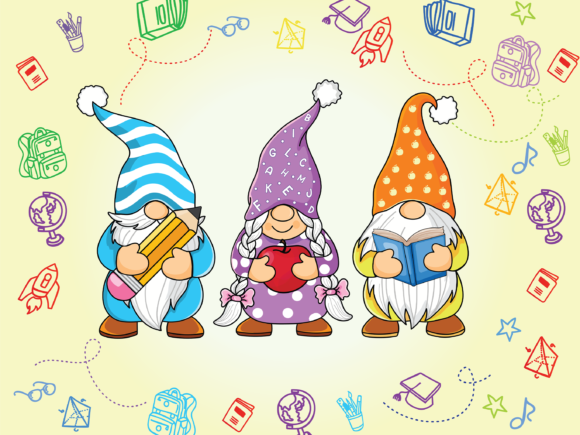
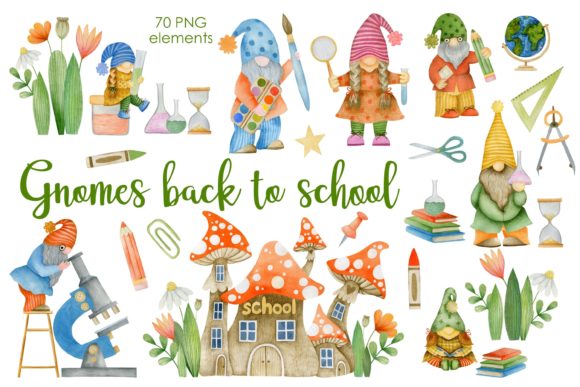
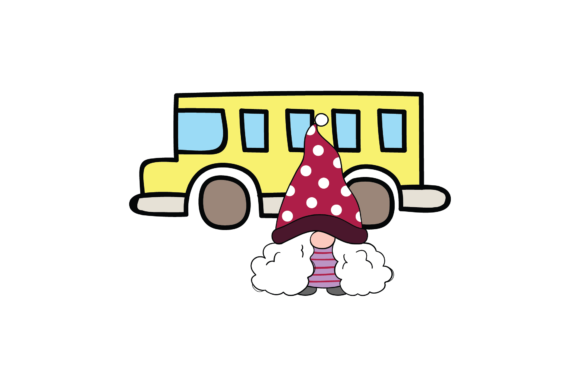
Digital design assets save time, ensure consistency, and open up creative possibilities that static clip art cannot match. The Gnomes Back to School and Bus School SVG set is one such asset—a collection of vector and raster files featuring playful gnome characters and school bus motifs tailored for the back-to-school season. Whether you are a teacher preparing classroom materials, a small business owner creating promotional items, or a freelance designer building a seasonal product line, this digital product offers multiple file formats and a generous canvas size that fits seamlessly into your existing workflow. Understanding what this set contains, how to prepare for its use, and where it fits before, during, and after a project will help you get the most out of the purchase without wasted time or effort.
What the Gnomes Back to School and Bus School SVG Set Includes
The package delivers five file types per design: AI, EPS, SVG, JPG, and PNG. Each format serves a distinct purpose, and having all five means you can move from editing to output without converting or re-downloading. The canvas size is 1920 pixels by 1280 pixels for every file, which provides a high-resolution base suitable for both digital screens and print. The AI and EPS files are vector-based and fully editable in Adobe Illustrator or compatible vector software. The SVG format is ideal for web use, cutting machines like Cricut or Silhouette, and scalable graphics that need to keep crisp edges. JPG and PNG cover raster needs: JPG for smaller file sizes and broad compatibility, PNG for transparency and high-quality images on websites or in presentations.
Planning and Preparation: Getting the Files Ready for Your Workflow
Before starting any project, take a few minutes to organize and inspect the files. Extract the ZIP archive into a dedicated folder named “Gnomes Back to School 2025” or something similar. Open the AI or EPS file in your vector editor to check layer naming, element grouping, and color palette. Well-structured designs let you isolate individual gnomes, the bus, text elements, or background shapes quickly. If you plan to use the SVG with a cutting machine, test the file in the corresponding design space (Cricut Design Space or Silhouette Studio) early. Scaling, weld, and cut settings can be previewed without cutting physical material. This preparation step prevents surprises during the creative phase and helps you confirm compatibility with your software version.
Choosing the Right Format for the Task
The choice of format depends on what you are creating. For a large classroom banner that will be printed at a local shop, the AI file with embedded fonts and outlined text gives the print service a clean vector file. If you are creating a digital social media post for Instagram or Facebook, the PNG file with a transparent background saves you from manual masking. Educators who want to insert a gnome onto a worksheet in Microsoft Word or Google Docs can use the JPG because it loads quickly and renders reliably. For stickers or iron-on transfers, the SVG provides the clean vector paths that cutting machines require. Keeping all formats available means you can switch as the project evolves without starting from scratch.
Using the Design During the Creative Process
Once your files are organized, the design set becomes a modular toolkit. The school bus and gnome illustrations can be combined, recolored, or resized independently within a vector editor. This is especially useful for creating a themed set of classroom resources: a welcome sign, name tags, a birthday chart, and a door decoration. Because the canvas is large, you can extract elements and place them into documents of different sizes without losing quality. For example, reduce the school bus to a small icon for a bookmark, or enlarge a gnome for a poster header—the vector base ensures crisp results at any scale.
Workflow Integration with Common Software
The AI and EPS files integrate directly with Adobe Illustrator, Affinity Designer, CorelDRAW, and Inkscape. If you work in Canva, you can upload the SVG or PNG file as an element and layer it with text and other graphics. For Microsoft Office users, inserting the JPG or PNG into PowerPoint, Word, or Publisher is straightforward. The 1920×1280 px canvas size matches the standard 3:2 aspect ratio, which aligns well with many presentation slides and flyer dimensions. By keeping the design’s original proportions, you avoid distortion when snapping to slide edges or margins.
Post-Project Asset Management and Long-Term Reuse
After completing a project, store the edited and original files together. If you customize the AI file with your own colors or text, save a copy as a new version rather than overwriting the base file. This practice lets you revert to the original design for future projects with different themes or client preferences. The vector formats are especially valuable for long-term use because they do not degrade with repeated editing and re-exporting. You may find that the gnome illustrations work for other seasonal events—consider using a gnome from the back-to-school set for a “Welcome Back” event, a teacher appreciation week, or even autumn harvest decorations if the colors align. Tag the files with descriptive metadata or use folder naming conventions (e.g., “Gnomes_School_Bus_AI_decorations”) so you can locate them quickly months later.
Quality Control and Consistency Checks
When you reuse the design across multiple outputs, consistency matters. Check that colors match your brand or classroom theme by sampling from a single master file before exporting. If you edit the SVG for a cutting machine, verify that the file contains only visible, ungrouped paths to avoid accidental scores or cuts. For print output, use the EPS or AI file with CMYK color mode if your printer requires it. The original files are likely in RGB because of the 1920 px digital-first canvas, but conversion to CMYK can be done within your vector editor.
Practical Implementation Tips for Different Uses
Small business owners selling back-to-school merchandise can use the design to create notebook covers, tote bags, greeting cards, or enamel pin mock-ups. The JPG version serves as a low-resolution preview for online listings, while the SVG or AI file is sent to the manufacturer for production. Freelancers and marketers can drop the PNG onto a flyer template in Canva, add a sales message, and publish immediately. Educators can print the poster at full resolution for a hallway display or import the SVG into a projector slide to trace onto bulletin board paper.
For anyone using a cutting machine, a few specific steps improve the experience. Open the SVG in your design software, check that all paths are closed and correctly oriented. Ungroup elements if needed, then assign cut lines (usually a single color like black). Delete any hidden background shapes or extra layers that might cause the machine to cut unwanted areas. Perform a test cut on scrap material before cutting the final product. The large canvas size means you can place multiple copies of the design on one mat to maximize material use.
Collaboration and Sharing Across Teams
If you work with a team—whether in a school, a design agency, or a family-run business—the variety of formats supports different skill levels. A colleague who only uses PowerPoint can receive the PNG or JPG; a designer on the team can work with the AI file; a volunteer who operates a Cricut can take the SVG. This flexibility reduces the need for format conversions or multiple purchases. Name each exported version clearly (e.g., “Gnome_Bus_Poster_AI.ai” and “Gnome_Bus_WS_JPG.jpg”) so team members know which file to open for their task.
When sharing for review, use the PNG with a transparent background to overlay onto mock-ups or documents. The JPG version can be inserted into email bodies or shared via cloud storage for quick feedback. Because the design is provided in a standard canvas size, the crop and framing remain predictable across different viewers and devices.
Evaluating the ROI of a Digital Asset Like This Set
For professionals and hobbyists who create multiple projects each season, a single well-prepared digital design can eliminate the need for custom commissions or hours of drawing. The time saved in file preparation is often the biggest return. The Gnomes Back to School and Bus School SVG set provides a starting point that you can adapt to specific needs without starting from a blank canvas. The included formats also future-proof your work: vector files can be opened by nearly every modern graphics application, and the PNG/JPG outputs cover immediate publishing or printing.
Understanding what you can do before, during, and after a project with this design set turns a simple download into a reusable resource that fits into your specific workflow. Whether you are creating for one classroom or a product line of a hundred items, the combination of file types and standard canvas size reduces friction and lets you focus on the creative decisions that matter most.